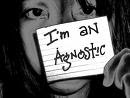
I’m depressed. I feel trapped between two worlds- the natural one I see with my eyes and the invisible realm that believers put their faith in. I see the suffering in the former, but I'm told to be concerned most about the latter. I feel stuck and confused at a crossroads where so many paths seem inviting, but I remain fearful. I’m afraid to commit to those adventures and callings which beckon me to come near because, while they may provide me with meaningful avenues through which I can express my sincere convictions, I suspect they will take me even farther from those I know, love and cherish. But I also realize that my procrastination does not help anyone.
I'm living a dual existence: the hidden one where I express my true thoughts in a psychological exile of anonymity and the public one where I amiably pretend to believe what I now consider incredible. I’m torn. Mainly because I don’t want anyone to suffer- especially because of something I’ve said, done, neglected to do or refused to accept as true. I feel a burning and all-consuming anxiety over what I imagine to be an oncoming and inevitable source of conflict- knowing that a decision must be made soon. I understand that my elusive ambiguity serves only to frustrate and destabilize those closest to me. Yet I am afraid to commit. When I do commit, I fear rejection. I fear rejection, knowing it is the price of speaking honestly and living proactively.
How can one be honest and not be, in some way, agnostic and uncertain about ultimate matters like "God" and eternity? How can we know anything for sure? Why do we seem to prefer comforting and illusory speculations instead of embracing painful and observable facts? I began my journey searching for a more perfect understanding of the ultimate; a trustworthy method to make sure that I was devoting my life and energy to something credible, powerful and real. In the process, I have learned just how deceptive the human mind can be- especially my own. Realizing my own tendency to fool myself makes me suspicious off all others with the capacity to think. Above all, I do not want to delude myself or anyone else.
But no matter how much I try to separate facts from falsehood my humanity seems to get in the way. Seemingly cursed, I feverishly examine endless articles, rabbit-eared books and online resources as I hunt for satisfying answers to enlighten my mind, shed my prejudices, confirm my intuitions and validate the expense of my journey. But I am constantly reminded that my cognitive capacity has limits and I can’t know it all. I just can’t remember everything I come across in my studies. Like heat, the profound insights of underappreciated authors evaporate and become forgotten memories. My prayer is that I can retain what I need for the times when I will need it. That I will be flexible enough to deal with whatever challenges I encounter.
But, despite my limitations, I am left with reality: issues that I have delayed addressing; painful discussions that I try my best to evade; real people whose lives and destinies are intertwined with my own and which are affected by my choices. I try to manage the complexity as gently and as skillfully as I know how. Elusive humor is helpful in cloaking to my honest thoughts. But at some point the uncomfortable laughter needs to stop.
I know that no one is safe from suffering and I have learned to appreciate the small joys of living and to be content and mindful of our mortality. Sadly, I have only grasped this while I have put off dealing with the old burdens that continue to haunt my waking moments.
I don’t fear an apocalyptic end to this life. Instead, I am horrified by the idea that my final breath will escape my body and leave behind a gross misrepresentation of my authentic self before I can summon the nerve to boldly share with all the full view of my soul and thought. I am equally horrified by the notion that expressing my true opinions will disappoint those I adore. This is amplified by the incessant fear that should I decide to publicize my unpopular opinions they may one day prove to be wrong and misguided and I will have done irrevocable damage to minds and hearts.
But this is the risk we must take as fallible beings.
Heaven is no consolation for living a lie. I admire all who have had the courage to come out publicly as their true selves. My heroes are those who refuse to masquerade in forms that cater to the preferences of others. I do not want to die like those considerate and cowardly Enlightenment-era parish priests who masqueraded as defenders of orthodoxy while leaving behind secret diaries confessing their heretical opinions. I want to be known and remembered for who I truly am. Not as a label, but as a honest man.
But I hold on because I believe that freedom will come if I press towards it. Until then, I walk carefully and advance gradually- summoning the spirits of patience, sensitivity and wisdom. Praying that they guide my words and actions because this feels like the fight of my life. .
Writing helps. But only living will bring fulfillment.
Showing posts with label Doubts. Show all posts
Showing posts with label Doubts. Show all posts
Thursday, October 16, 2008

Wednesday, October 15, 2008
The Free Thoughts of Zora Neale Hurston
 A few weeks ago, I picked up a copy of African-American Humanism: An Anthology (1991) edited by Norm R. Allen Jr. It is a fascinating collection of essays and works written by some famous (and some lesser-known) Black humanists, rationalists and free-thinkers such as Langston Hughes, W.E.B. DuBois, Frederick Douglas, Melvin Tolson, Hubert Harrison, Joel Augustus Rogers, Richard Wright and Emmanuel Kofi Mensah. In this anthology, renowned humanist Norm Allen Jr. hoped to counter the popular modern perception of the Black religious community being the primary proponent of significant social change from the turn of the century until the Civil Rights Era by showcasing the significant contributions of Black free-thinkers and humanists (who are often overshadowed by their Caucasian contemporaries).
Norm Allen Jr. shares the work of dozens of African-American and African individuals who refused to subscribe to traditional ideas about God and morality, yet who were also driven by a deep, “this-worldly” desire to improve living conditions for themselves and others for the betterment of humanity.
As a young African-American male with humanist sympathies, I have been both enlightened and inspired by reading about the heroic accomplishments of these exemplary individuals- especially considering the fact that they were outspoken and active in a cultural context which rendered them unpopular in most religious, social and political circles.
Among these individuals, I rediscovered Zora Neale Hurston, an author, folklorist and anthropologist who, along with Langston Hughes, became one of the literary forerunners of the Harlem Renaissance. Although raised in a Missionary Baptist Church as a preacher’s daughter, Hurston chose not to subscribe to the faith of her forbears and tells how her doubts regarding organized religion led her into a different understanding of reality. Among its many offerings, African-American Humanism includes Hurston's essay, “Religion” (taken from her 1942 autobiography Dust Tracks on a Road), in which she further articulates her most personal thoughts about God, faith and spirituality.
Towards the end of her essay, Hurston shares her understanding of the role of religion in the lives of human beings:
"The unreachable and therefore the unknowable always seem divine- hence, religion. People need religion because the great masses fear life and its consequences. Its responsibilities weigh heavy. Feeling a weakness in the face of great forces, men seek an alliance with omnipotence to bolster up their feeling of weakness, even though the omnipotence they rely upon is a creature of their own minds. It gives them a feeling of security…"She then delves into her thoughts regarding the topic of prayer:
"…As for me, I do not pretend to read God’s mind. If He has a plan of the universe worked out to the smallest detail, it would be folly for me to presume to get down on my knees and attempt to revise it. That, to me, seems the highest form of sacrilege. So I do not pray. I accept the means at my disposal for working out my destiny. It seems to me that I have been given a mind and willpower for that very purpose. I do not expect God to single me out and grant me advantages over my fellow men. Prayer is for those who need it. Prayer seems to me a cry of weakness, and an attempt to avoid, by trickery, the rules of the game as laid down. I do not choose to admit weakness. I accept the challenge of responsibility."Hurston begins the conclusion of her essay by explaining how she finds meaning and purpose in life outside of organized religion while recognizing its importance to those who subscribe to more traditional notions of divinity. I love the portion of the passage below where she says, in reference to religious creeds, "I feel no need for such. However, I would not, by word or deed, attempt to deprive another of the consolation it affords. It is simply not for me." I wholeheartedly share her sentiments here and appreciate the fact that she has not attempted to belittle those who find meaning in creed-based religion.
In the closing passage, Hurston advocates a fearless view of reality that expertly assuages existential fear and anxiety with bold, poetic language capturing the majesty of science's most credible insights and findings about chemistry, astronomy, biology and physics.
"Life, as it is, does not frighten me, since I have made my peace with the universe as I find it, and bow to its laws. The ever-sleepless sea in its bed, crying out 'How long?' to Time; million-formed and never motionless flame; the contemplation of these two aspects alone, affords me sufficient food for ten spans of my expected lifetime.
It seems to me that organized creeds are collections of words around a wish. I feel no need for such. However, I would not, by word or deed, attempt to deprive another of the consolation it affords. It is simply not for me. Somebody else may have my rapturous glance at the archangels. The springing of the yellow line of morning out of the misty deep of dawn, is glory enough for me.
I know that nothing is destructible; things merely change forms. When the consciousness we know as life ceases, I know that I shall still be part and parcel of the world. I was a part before the sun rolled into shape and burst forth in the glory of change. I was, when the earth was hurled out from its fiery rim. I shall return with the earth to Father Sun, and still exist in substance when the sun has lost its fire, and disintegrated into infinity to perhaps become a part of the whirling rubble of space.
Why fear? The stuff of my being is matter, ever changing, ever moving, but never lost; so what need of denominations and creeds to deny myself the comfort of all my fellow men? The wide belt of the universe has no need for finger-rings. I am one with the infinite and need no other assurance.”
Thursday, October 9, 2008
Reflection on "My Easy God is Gone," a poem by James Kavanaugh
Yesterday evening as I drove to pick up my daughter from daycare, I was listening to a podcast that cited “My Easy God is Gone,” a confessional poem written by former Catholic priest and renowned wordsmith James Kavanaugh. Before this point, I had never heard of Kavanaugh; but as his transparent sentiments were read aloud, I found many of his lyrical phrasings resonating with my own experience of disillusionment in regards to the personal God in which I used to believe. Kavanaugh’s powerful poem takes meticulous account of what he has lost in abandoning his earlier notions of God, expresses relief for having shed his former ideas and then proceeds to celebrate the reclaiming of his own sensitive humanity.
Kavanaugh notes that he has “lost” his “easy God” and has abandoned the constrictive dogma that too often rendered his own human experiences devoid of meaning and value. Kavanaugh grieves at how the “easy God” of his childhood “took all mystery away, corroded my imagination, controlled the stars and would not let them speak for themselves.” He boldly declares that, despite his childhood indoctrination into the creeds of his faith tradition, the “maxims memorized in boyhood do not make fruitless and pointless my experience.” He proclaims, “I am a boy again - I whose boyhood was turned to manhood in a brutal myth.” Kavanaugh seems to express a relieved sigh of freedom with honest lines like, “I walk alone, but not so terrified as when He held my hand.”
Yes, like Kavanaugh, I too feel that “some fierce umbilical is broken.” As my wife and I visit different churches (both liberal and conservative), I sit through worship services and feel jarringly distant and removed from what is going on- almost like a disinterested anthropologist sent from a foreign land to study the religious experiences of my fellow human beings. Yet, though I feel removed, I remain keenly aware of my own ignorance while also being appreciative and grateful for the myriad of meaningful experiences that have formed my personality and shaped my character.
I don’t know much about James Kavanaugh, but I sought to know more about the life that created such a moving piece. Somehow I sense a kindred spirit in Kavanaugh, one that belongs to a restless explorer whose thirst for inquiry refuses to settle for pat answers and outdated explanations. I appreciate that Kavanaugh’s poetry affirms the significance of mystery, human fallibility and adaptability, the wonders of love, the regenerative power of painful experiences and the creative resourcefulness with which we humans derive meaning from it all.
Like Kavanaugh, I am still willing to consider the idea that “God” may exist as some vague force or pulsating creative power that exists beyond the human capacity to understand or explain; However, I am more convinced than ever that “God” does not exist as a personal and tribal deity who picks favorites, conveys its crucial message to a handful of ordained spokespersons and intervenes in the physical world through supernatural and miraculous means.
In the Preface to his book, Too Gentle to Live Among Wolves, Kavanaugh says:
"My Easy God is Gone"
by James Kavanaugh
I have lost my easy God –
the one whose name I knew since childhood.
I knew his temper, his sullen outrage, his ritual forgiveness.
I knew the strength of his arm,
the sound of his insistent voice.
His beard bristling, his lips full and red
with moisture at the moustache,
His eyes clear and piercing,
too blue to understand all,
His face too unwrinkled to feel my child’s pain.
He was a good God - so he told me -
a long suffering and manageable one.
I knelt at his feet and kissed them.
I felt the smooth countenance of his forgiveness.
I never told him how he frightened me,
How he followed me as a child,
When I played with friends or begged
for candy on Halloween.
He was a predictable God,
I was the unpredictable one.
He was unchanging, omnipotent, all-seeing,
I was volatile and helpless.
He taught me to thank him for the concern
which gave me no chance to breathe,
For the love which demanded only love in
return - and obedience.
He made pain sensible and patience possible
and the future foreseeable.
He, the mysterious, took all mystery away,
corroded my imagination,
Controlled the stars and would not let
them speak for themselves.
Now he haunts me seldom:
some fierce umbilical is broken,
I live with my own fragile hopes and
sudden rising despair.
Now I do not weep for my sins;
I have learned to love them.
And to know that they are the wounds that
make love real.
His face eludes me; his voice, with all
its pity, does not ring in my ear.
His maxims memorized in boyhood do not
make fruitless and pointless my experience.
I walk alone,
but not so terrified as when he held my hand.
I do not splash in the blood of his son
nor hear the crunch of nails or thorns
piercing protesting flesh.
I am a boy again - I whose boyhood was
turned to manhood in a brutal myth.
Now wine is only wine
with drops that do not taste of blood.
The bread I eat has too much pride for transubstantiation,
I, too - and together the bread and I embrace,
Each grateful to be what we are,
each loving from our own reality.
Now the bread is warm in my mouth and
I am warm in its mouth as well.
Now my easy God is gone –
he knew too much to be real,
He talked too much to listen,
he knew my words before I spoke.
But I knew his answers as well –
computerized and turned to dogma.
His stamp was on my soul, his law locked
cross-like on my heart,
His imperatives tattooed on my breast, his
aloofness canonized in ritual.
Now he is gone - my easy, stuffy God - God,
the father - master, the mother - whiner, the
dull, whoring God who offered love bought
by an infant’s fear.
Now the world is mine with all its pain and
warmth, with its every color and sound;
The setting sun is my priest with the ocean for its altar.
The rising sun redeems me with rolling
waves warmed in its arms.
A dog barks and I weep to be alive, a
cat studies me and my job is boundless.
I lie on the grass and boy-like, search the sky.
The clouds do not turn to angels, the winds
do not whisper of heaven or hell.
Perhaps I have no God - what does it matter?
I have beauty and joy and transcending loneliness,
I have the beginning of love - as beautiful as it
is feeble - as free as it is human.
I have the mountains that whisper secrets
held before men could speak,
I have the oceans that belches life on
the beach and caresses it in the sand,
I have a friend who smiles when he sees me,
who weeps when he hears my pain,
I have a future of wonder.
I have no past - the steps have disappeared
the wind has blown them away.
I stand in the heavens and on earth, I feel the breeze in my hair,
I can drink to the North Star and shout on a bar stool,
I can feel the teeth of a hangover, the joy of laziness,
The flush of my own rudeness,
the surge of my own ineptitude.
And I can know my own gentleness
as well as my wonder, my nobility.
I sense the call of creation,
I feel its swelling in my hands.
I can lust and love, eat and drink, sleep and rise,
But my easy God is gone - and in his stead
The mystery of loneliness and love!
Kavanaugh notes that he has “lost” his “easy God” and has abandoned the constrictive dogma that too often rendered his own human experiences devoid of meaning and value. Kavanaugh grieves at how the “easy God” of his childhood “took all mystery away, corroded my imagination, controlled the stars and would not let them speak for themselves.” He boldly declares that, despite his childhood indoctrination into the creeds of his faith tradition, the “maxims memorized in boyhood do not make fruitless and pointless my experience.” He proclaims, “I am a boy again - I whose boyhood was turned to manhood in a brutal myth.” Kavanaugh seems to express a relieved sigh of freedom with honest lines like, “I walk alone, but not so terrified as when He held my hand.”
Yes, like Kavanaugh, I too feel that “some fierce umbilical is broken.” As my wife and I visit different churches (both liberal and conservative), I sit through worship services and feel jarringly distant and removed from what is going on- almost like a disinterested anthropologist sent from a foreign land to study the religious experiences of my fellow human beings. Yet, though I feel removed, I remain keenly aware of my own ignorance while also being appreciative and grateful for the myriad of meaningful experiences that have formed my personality and shaped my character.
I don’t know much about James Kavanaugh, but I sought to know more about the life that created such a moving piece. Somehow I sense a kindred spirit in Kavanaugh, one that belongs to a restless explorer whose thirst for inquiry refuses to settle for pat answers and outdated explanations. I appreciate that Kavanaugh’s poetry affirms the significance of mystery, human fallibility and adaptability, the wonders of love, the regenerative power of painful experiences and the creative resourcefulness with which we humans derive meaning from it all.
Like Kavanaugh, I am still willing to consider the idea that “God” may exist as some vague force or pulsating creative power that exists beyond the human capacity to understand or explain; However, I am more convinced than ever that “God” does not exist as a personal and tribal deity who picks favorites, conveys its crucial message to a handful of ordained spokespersons and intervenes in the physical world through supernatural and miraculous means.
In the Preface to his book, Too Gentle to Live Among Wolves, Kavanaugh says:
"I will probably be a searcher until I die and hopefully death itself will only be another adventure. To live any other way seems impossible. If anything has changed over the years, and it has, I only feel more confident now about what I wrote then. I am far more aware of the power that guides each of us along the way, and provides us with the insights and people we need for our journey. There are, indeed, men and women too gentle to live among wolves and only when joined with them will life offer the searcher, step by step, all that is good and beautiful. Life becomes not a confused struggle or pointless pain, but an evolving mosaic masterpiece of the person we were destined to become."Below is the complete version of James Kavanaugh's poem “My Easy God is Gone.”
"My Easy God is Gone"
by James Kavanaugh
I have lost my easy God –
the one whose name I knew since childhood.
I knew his temper, his sullen outrage, his ritual forgiveness.
I knew the strength of his arm,
the sound of his insistent voice.
His beard bristling, his lips full and red
with moisture at the moustache,
His eyes clear and piercing,
too blue to understand all,
His face too unwrinkled to feel my child’s pain.
He was a good God - so he told me -
a long suffering and manageable one.
I knelt at his feet and kissed them.
I felt the smooth countenance of his forgiveness.
I never told him how he frightened me,
How he followed me as a child,
When I played with friends or begged
for candy on Halloween.
He was a predictable God,
I was the unpredictable one.
He was unchanging, omnipotent, all-seeing,
I was volatile and helpless.
He taught me to thank him for the concern
which gave me no chance to breathe,
For the love which demanded only love in
return - and obedience.
He made pain sensible and patience possible
and the future foreseeable.
He, the mysterious, took all mystery away,
corroded my imagination,
Controlled the stars and would not let
them speak for themselves.
Now he haunts me seldom:
some fierce umbilical is broken,
I live with my own fragile hopes and
sudden rising despair.
Now I do not weep for my sins;
I have learned to love them.
And to know that they are the wounds that
make love real.
His face eludes me; his voice, with all
its pity, does not ring in my ear.
His maxims memorized in boyhood do not
make fruitless and pointless my experience.
I walk alone,
but not so terrified as when he held my hand.
I do not splash in the blood of his son
nor hear the crunch of nails or thorns
piercing protesting flesh.
I am a boy again - I whose boyhood was
turned to manhood in a brutal myth.
Now wine is only wine
with drops that do not taste of blood.
The bread I eat has too much pride for transubstantiation,
I, too - and together the bread and I embrace,
Each grateful to be what we are,
each loving from our own reality.
Now the bread is warm in my mouth and
I am warm in its mouth as well.
Now my easy God is gone –
he knew too much to be real,
He talked too much to listen,
he knew my words before I spoke.
But I knew his answers as well –
computerized and turned to dogma.
His stamp was on my soul, his law locked
cross-like on my heart,
His imperatives tattooed on my breast, his
aloofness canonized in ritual.
Now he is gone - my easy, stuffy God - God,
the father - master, the mother - whiner, the
dull, whoring God who offered love bought
by an infant’s fear.
Now the world is mine with all its pain and
warmth, with its every color and sound;
The setting sun is my priest with the ocean for its altar.
The rising sun redeems me with rolling
waves warmed in its arms.
A dog barks and I weep to be alive, a
cat studies me and my job is boundless.
I lie on the grass and boy-like, search the sky.
The clouds do not turn to angels, the winds
do not whisper of heaven or hell.
Perhaps I have no God - what does it matter?
I have beauty and joy and transcending loneliness,
I have the beginning of love - as beautiful as it
is feeble - as free as it is human.
I have the mountains that whisper secrets
held before men could speak,
I have the oceans that belches life on
the beach and caresses it in the sand,
I have a friend who smiles when he sees me,
who weeps when he hears my pain,
I have a future of wonder.
I have no past - the steps have disappeared
the wind has blown them away.
I stand in the heavens and on earth, I feel the breeze in my hair,
I can drink to the North Star and shout on a bar stool,
I can feel the teeth of a hangover, the joy of laziness,
The flush of my own rudeness,
the surge of my own ineptitude.
And I can know my own gentleness
as well as my wonder, my nobility.
I sense the call of creation,
I feel its swelling in my hands.
I can lust and love, eat and drink, sleep and rise,
But my easy God is gone - and in his stead
The mystery of loneliness and love!
Wednesday, February 20, 2008
Am I Seeking Truth or Justification?
In my quest for knowledge I sometimes I have to stop and ask myself, “Am I seeking the truth or am I seeking justification for my opinions?” This question plagues me regularly and the doubt it invokes in my mind haunts me to humility. It seems that one can go so deep into one’s research that one loses the ability to distinguish between the hunger for truth and the desire for justification. But interestingly, there have been plenty of times in my life when my desire for justification has led me to “the truth” about something.
Sometimes I will have a hunch or a growing conviction that has yet to be supported by adequate evidence and, despite my lack of information, I hold on to such convictions because I think I might be on to something (a kind of “faith”- I suppose). In other words, I have a sneaking suspicion that- given adequate time and investigation- I could discover a new truth or way of understanding something.
A majority of my suspicions are driven by hints of an anomaly that is being ignored, suppressed or overlooked by popular opinion. Other times, my hunches and suspicions are aroused in response to condemnatory acts committed towards other people in the name of a political or religious ideology. Many times I have followed such hunches to some rather credible sources which have given adequate support for my unconventional views.
But I also realize how dangerous it is to seek justification for one’s opinions with no regard for the truth. Those individuals who follow that path are highly resistant to reasonable alternatives and will not allow themselves to entertain the validity of a different perspective. Instead, they operate with a narrow "tunnel-vision", focused only on their personal agendas. This is an easy trap to fall in and I pray that I can avoid succumbing to this temptation. Such an extreme desire for justification destroys the possibility for both honest investigation and authentic dialogue between concerned individuals. Convinced of the certainty of their claims, such dogmatic individuals evoke in my mind the image of a deaf megaphone shouting its proclamations at a high decibel level with no regard for the whispering voices of reason, doubt and humility- those age-old enemies of individuals who seek to justify themselves.
While some fundamentalists might view them as the qualities of inferior beings, I value reason, doubt and humility as I believe they are trustworthy guides in the sincere search for truth and discovery. I personally find no value in being irrational, certain and confident when one’s views are proven to be wrong.
But I don't mistake humility for silence. I truly believe there are those times in which we must fearlessly express both our concerns and the truth as we understand it. Here, I am reminded of Dr. Martin Luther King Jr.’s prophetic address at New York’s Riverside Church on April 4, 1967 (exactly one year before his assassination) where he reinforced his much-criticized opposition to the United States’ involvement in the Vietnam War. King opened his speech with a stirring discussion about the difficulty of being a non-conformist driven by “the demands of inner truth” during a time of great uncertainty. King says:
I find that when I am surrounded by those whose opinions and conclusions I consider faulty or misinformed, I feel compelled and responsible to seek out a more intellectually credible alternative. In those times, it seems my desire for truth and justification merge into one. But maybe that’s not a bad thing. Perhaps we would never seek truth if we didn’t desire some degree of justification for our hunches. Maybe this is one process that leads to progress.
Now I recognize that every researcher is limited by their own humanity and selective in their reference materials. I am also aware of my own tendency to persist in a desperate hunt for a loophole in what I consider to be an inconvenient truth. I admire the irony that in many cases those who aggressively seek to discredit an idea often find themselves becoming converted to the claims of that same idea. This gives me hope in the human capacity to seek the truth and shows that truth may survive despite our best efforts to resist it or suppress it.
I find it much more noble to seek the truth despite our desire for justification. Here, I am reminded of a few things a close friend of mine and fellow seminarian once said. Once, while praying before his sermon, my friend- a young, liberal-minded African-American pastor and scholar- stood before a congregation of conservative Christians and in a gentle tone said, “May we have the courage to follow the truth wherever it leads us.” With this statement, he laid out the inherent risk that exists along the path towards the truth. Following this train of thought, one can conclude that the truth is often unsettling and will probably cost us our comfort- and that is a cost very few of us are willing to pay. Several months prior to that moment, I had a conversation with this same friend who told me, “It is not heresy to question the truth; it is only heresy to deny the truth once it has been made obvious to you.”
I think those are encouraging words for any truth-seeker. May we follow the truth wherever it leads us and may we both recognize and accept it in all of its unsettling forms.
Sometimes I will have a hunch or a growing conviction that has yet to be supported by adequate evidence and, despite my lack of information, I hold on to such convictions because I think I might be on to something (a kind of “faith”- I suppose). In other words, I have a sneaking suspicion that- given adequate time and investigation- I could discover a new truth or way of understanding something.
A majority of my suspicions are driven by hints of an anomaly that is being ignored, suppressed or overlooked by popular opinion. Other times, my hunches and suspicions are aroused in response to condemnatory acts committed towards other people in the name of a political or religious ideology. Many times I have followed such hunches to some rather credible sources which have given adequate support for my unconventional views.
But I also realize how dangerous it is to seek justification for one’s opinions with no regard for the truth. Those individuals who follow that path are highly resistant to reasonable alternatives and will not allow themselves to entertain the validity of a different perspective. Instead, they operate with a narrow "tunnel-vision", focused only on their personal agendas. This is an easy trap to fall in and I pray that I can avoid succumbing to this temptation. Such an extreme desire for justification destroys the possibility for both honest investigation and authentic dialogue between concerned individuals. Convinced of the certainty of their claims, such dogmatic individuals evoke in my mind the image of a deaf megaphone shouting its proclamations at a high decibel level with no regard for the whispering voices of reason, doubt and humility- those age-old enemies of individuals who seek to justify themselves.
While some fundamentalists might view them as the qualities of inferior beings, I value reason, doubt and humility as I believe they are trustworthy guides in the sincere search for truth and discovery. I personally find no value in being irrational, certain and confident when one’s views are proven to be wrong.
But I don't mistake humility for silence. I truly believe there are those times in which we must fearlessly express both our concerns and the truth as we understand it. Here, I am reminded of Dr. Martin Luther King Jr.’s prophetic address at New York’s Riverside Church on April 4, 1967 (exactly one year before his assassination) where he reinforced his much-criticized opposition to the United States’ involvement in the Vietnam War. King opened his speech with a stirring discussion about the difficulty of being a non-conformist driven by “the demands of inner truth” during a time of great uncertainty. King says:
Even when pressed by the demands of inner truth, men do not easily assume the task of opposing their government's policy, especially in time of war. Nor does the human spirit move without great difficulty against all the apathy of conformist thought within one's own bosom and in the surrounding world. Moreover, when the issues at hand seem as perplexed as they often do in the case of this dreadful conflict, we are always on the verge of being mesmerized by uncertainty; but we must move on. And some of us who have already begun to break the silence of the night have found that the calling to speak is often a vocation of agony, but we must speak. We must speak with all the humility that is appropriate to our limited vision, but we must speak.King speaks of a desperate need to speak out against injustice with “the humility that is appropriate to our limited vision.” But he is not calling for a humility that is silenced or "mesmerized by uncertainty," but one that functions despite it.
I find that when I am surrounded by those whose opinions and conclusions I consider faulty or misinformed, I feel compelled and responsible to seek out a more intellectually credible alternative. In those times, it seems my desire for truth and justification merge into one. But maybe that’s not a bad thing. Perhaps we would never seek truth if we didn’t desire some degree of justification for our hunches. Maybe this is one process that leads to progress.
Now I recognize that every researcher is limited by their own humanity and selective in their reference materials. I am also aware of my own tendency to persist in a desperate hunt for a loophole in what I consider to be an inconvenient truth. I admire the irony that in many cases those who aggressively seek to discredit an idea often find themselves becoming converted to the claims of that same idea. This gives me hope in the human capacity to seek the truth and shows that truth may survive despite our best efforts to resist it or suppress it.
I find it much more noble to seek the truth despite our desire for justification. Here, I am reminded of a few things a close friend of mine and fellow seminarian once said. Once, while praying before his sermon, my friend- a young, liberal-minded African-American pastor and scholar- stood before a congregation of conservative Christians and in a gentle tone said, “May we have the courage to follow the truth wherever it leads us.” With this statement, he laid out the inherent risk that exists along the path towards the truth. Following this train of thought, one can conclude that the truth is often unsettling and will probably cost us our comfort- and that is a cost very few of us are willing to pay. Several months prior to that moment, I had a conversation with this same friend who told me, “It is not heresy to question the truth; it is only heresy to deny the truth once it has been made obvious to you.”
I think those are encouraging words for any truth-seeker. May we follow the truth wherever it leads us and may we both recognize and accept it in all of its unsettling forms.
Tuesday, January 29, 2008
My Issues with Interpretation (Parts I, II & III)
“You will find that many of the truths we cling to depend greatly on our own point of view.”Part I: Thus Saith the Lord or Thus Saith the Preacher?
- Obi-Wan Kenobi, Star Wars: Return of the Jedi (1983).
Last Sunday morning, I observed yet another pastor claim that they were speaking and preaching “What Thus Saith the Lord.” The expectation is that preachers are to present to the people “The Word of God” (understood as the Bible itself) and not their own personal opinion. In the process of preaching, this particular pastor offered a bold critique of scholars, theologians and philosophers who he considers as being too critical and analytical in discussing issues that seem “above and beyond” what he considers the Bible’s “simple” message. He accused these individuals of promoting their own personalities and philosophies of who Jesus was instead of preaching who the Bible says Jesus was. His concerns were apparently shared by many in the congregation who nodded, clapped and shouted to communicate their agreement.
I sat silently as such statements sparked a multitude of thoughts in my mind. For one thing, I think the act of interpretation is far more complicated than he claims. From my own research and experience in seminary, I have grown to be convinced that “nobody is neutral” and that we humans can’t help but form our own philosophical approaches to help us make sense of reality. I am persuaded that every human’s perspective is constantly responding to and being informed by their particular background, social standing, experience, culture, biases, prejudices and concerns. If every human authority is steeped in a particular perspective and bias, then I would deduce that the human authors of the Bible’s contents were also affected by human limitations, tendencies and cultural conditions. Add to that the fact that, a few millennia later, we are trying to interpret those ancient documents and one can see how the limits of humanity only serve to compound the complexities of the interpretive process.
Perhaps it is this difficulty that intimidates many of those who claim to accept certain ideas “by faith,” choosing not to dwell on the complex matters. But what is reality and how do we respond to this reality?
As humans, there are plenty of things that we hope to be true about ourselves and the universe. Many of us hope that there is someone listening to (and answering) our prayers, that our loved ones will be safe from harm, and that we are correct in our understanding of those things that provide our lives with a sense of meaning and purpose. Some of us even hope in a glorious afterlife and a warm reception into an otherworldly realm following the unavoidable moment when our last breath leaves our physical bodies. We humans seem to need something to hope for in order to function.
But if we are honest in facing reality we may discover that a large amount of what we had hoped to be true about ourselves and the universe may prove to be the result of flawed information, mistaken assumptions or grave misunderstandings. What do we do then?
In regards to perceiving reality, I think it is often the case that we humans tend to see what we want to see. We (including myself) rationalize and justify those things we hope to be true despite compelling arguments and evidence to the contrary. It seems that we devise ideas, theories, and meanings to help us understand the complexities and mysteries of reality. Considering this tendency, I deduce that it is unrealistic to expect that we humans can be anything but subjective in our understanding of reality.
By subjective, I am describing our own biased outlooks- perspectives which may not be immediately obvious or apparent to the perceptions of others. The opposite of subjectivity is objectivity. An objective observation is neutral, unbiased and impartial; it is based on facts rather than bias, prejudice, emotion or opinion. The social sciences testify that we humans can never be objective in our assessments because- no matter how hard we try to avoid it- we humans remain confined to our subjectivity.
Retired Episcopal Bishop and author John Shelby Spong offers a similar thought in an article he wrote for http://www.beliefnet.com/ almost 10 years ago.
No human being, no hierarchy, and no church can ever tell anyone who God is or what God is...All anyone can ever tell another person is how he or she or a particular institution believes it has experienced God. All God talk--including all scriptures, all creeds, all theology--is subjective, not objective.Oh, how refreshing it would be if people would admit to the limits of their own humanity! I think that such honesty and humility would greatly add to the credibility of those who claim to offer us "the truth."
Part II: Attempts to Grasp the Ungraspable
In their book, Why God Won’t Go Away: Brain Science and the Biology of Belief authors and neuroscientists, Andrew Newberg, M.D., Eugene D’Aquili, M.D., Ph.D., and Vince Rause observe that “We interpret and funnel that which our brain tells us is real through our subjective self-awareness” (p. 143).
The authors, relying heavily on the results of their own research experiments and the testimonies of mystics from the world’s major religious traditions (especially contemplative Catholics and Buddhists engaging in meditation), seem to embrace the idea of an unknowable God (or Ultimate Reality) as opposed to a personal (or personalized) God. The authors perceive that the contemplative mystics of various religious traditions typically understand God as being “beyond all comprehension and description, and that all literal interpretations of [this] unknowable nature can never be more than symbols pointing toward a deeper, more mysterious truth” (p. 158).
The authors say a lot about a mysterious neurobiological state of transcendence they call “Absolute Unitary Being” describing it as “a state of pure awareness, a clear and vivid consciousness of no-thing…a sudden, vivid consciousness of everything as an undifferentiated whole” (p. 147). They claim that “[i]n Absolute Unitary Being, nothing is experienced but the pure and complete unity of all things, or of no-things. One thing cannot stand apart from another, so individual beings and objects cannot be perceived. The egotistical self cannot exist because it has no non-self against which to define itself. In the same fashion, God cannot be set apart from this ultimate oneness as an identifiable, personalized being- to do so would be to conceive of a God who is less than absolutely real” (p. 160-161).
They continue, “The perception of an absolute reality therefore, would demand that God be more than a knowable being, and make it clear that all personifications of God are symbolic attempts to grasp the ungraspable…the state of Absolute Unitary Being impresses upon anyone who experiences it, the realization that the God we can know is only a glimmer of a higher spiritual reality, in the same way, perhaps, that a single beam of light implies the glory of the sun…” (p. 161).
They conclude one of their points by saying, “If we are right, if religions and the literal Gods they define are in fact interpretations of transcendent experience, then all interpretations of God are rooted, ultimately, in the same experience of transcendent unity. This holds true whether this ultimate reality actually exists, or is only a neurological perception generated by an unusual brain state. All religions, therefore, are kin. None of them can exclusively own the realist reality, but all of them, at their best steer the heart and mind in the right direction.” (p. 160-162)
I think these authors are really on to something here when it comes to reality and the human attempts to understand that reality.
Part III: The Implications of Interpretation
It seems to me that it is often the case that an observable event occurs and we- the observers- are left to interpret and make sense of the objective facts by creating an understanding born from our subjective viewpoints and the selective evidence available to us. In other words, objective events happen and we come up with subjective explanations to make sense of those events.
One example of this is a simple as a dream. The other day I found myself thinking about the subjective nature of dream interpretation. I have known people (including myself) who have had dreams or visions of bizarre happenings and have understood these as “messages from God.” The interesting thing I began to note in myself is that when I awake from a dream, I immediately attempt to piece together the memorable details. It becomes a strange exercise when I try to identify the fuzzy figures from my dream by linking them to familiar faces and names of those I have known or seen before.
But how trustworthy is this process of interpretation? How do we know when a dream-like vision is an important message or the result of some unsettling neurobiological activity? Living in a country where many subscribe to a biblical worldview, it becomes relevant for us to consider reconsider those Bible stories where characters in the stories receive messages and directions from a dream which serve to warn or to inform them of a future event. Based on such stories, many throughout history have been led to believe that they too are capable of receiving and understanding such messages by interpreting their own dreams and visions.
But this is where I think things can get really nebulous. While I think that one could derive meaning from one’s subjective perception of reality, I take issue when others are expected to accept another’s subjective perception of reality- lest they be condemned by rejecting it.
I have spoken with several people who claim they have had dreams and visions where religious figures such as Jesus, Mary the mother of Jesus, or the Prophet Muhammad have appeared to them. When I hear such reports, questions begin to race through my mind, such as: “Did that really happen?” and “How do they know what Jesus, Mary or Muhammad looked like in order to identify them?” I am not denying that mystical experiences happen, but I wonder how accurate we are in reporting what we experience. Do we just see what we want to see?
Another example of human subjectivity in the face of an observable event is the crucifixion of the 1st century Palestinian Jew known to history as Jesus of Nazareth. Some would claim that history bears witness to this man’s death by torture on a wooden cross. (NOTE: Others would be more skeptical when they consider the sources of most of our information about Jesus’ crucifixion come from the records of his devoted followers who were already convinced that he was the Jewish Messiah and "The Savior of the World." Regardless, these sources indicate that Jesus died within hours of his crucifixion).
The death of Jesus would seem to describe both an objective and a measurable event. But the tricky part arises when those who observe such an event begin to attach meaning, value, or significance to the “cold, hard fact” of the matter. Adherents to a classic and popular form of Christianity would later come to believe that the physical death of Jesus of Nazareth carried a meaning and significance of cosmic and metaphysical proportions in which a sinless being (a divine-human hybrid) willingly and knowingly sacrificed themselves to atone for the sins of humanity and to reconcile humans to a personal God who required such a sacrifice. Many others would deny the attaching of any such significance to the death of Jesus and count this event as they would the untimely death of any other human being who is victimized by human violence. Over the last two millennia, scores of theologians and philosophers have tried to make sense of this event- trying to interpret and understand objective reality through their subjective human explanations and understandings.
This is a prime example that adds grayscale complexity to a reality that was already complicated to begin with. One event with an endless variety of explanations and thus the root of many conflicts and controversies in our modern world.
What is at stake here? I believe that issues of interpretation lead directly into corresponding issues of authority and trust. What sources of information are worthy of our trust? What authorities are we basing our conclusions upon? What are the implications of accepting such authorities? What is our responsibility as humans with the means to think for ourselves? The way I see it, the authorities we trust will have an inevitable effect on our view of reality. In the same manner, our views of reality will have an inescapable effect on our behaviors. And because of this, issues of interpretation carry both constructive and destructive potential.
For example, if I believe that my next door neighbor is subhuman and inferior to me then it is likely that I will not value their life as much as I value my own. Therefore, my actions toward them will inevitably serve as expressions of that belief. On the other hand, if I believe that my next door neighbor is a human of equal worth and deserving of fair treatment and mutual respect, then that belief will also find expression through my actions and interactions with them. Hence, one’s behavior is a natural consequence of one’s beliefs. That’s precisely why this business of interpretation is so risky and scary.
Imagine how helpful it would be if we could bring a biblical author from 2,500 years ago onto Book TV to discuss and answer questions about what they were thinking about and experiencing when they were writing their passages, poems, and psalms. It’s fun to imagine what such a Q&A would be like. I’d like to think that such an exchange would help to resolve a lot of the speculation fueling many of our modern-day debates regarding biblical interpretation. But until such an unlikely possibility becomes possible all we have to work with are fragments of an ancient world and our own opinionated and selectively informed viewpoints about what those fragments meant to the ancients then and what they mean for us in the present day.
I realize that my perspective is limited and I am willing to consider that I may be in error, but I am interested in dealing with reality, not avoiding it. I believe that only by confronting the complexities of reality can we hope to make any progress in this thing called life.
"Welcome to the confusion."- Carmelo Alvarez
Thursday, August 2, 2007
The Risky Path of the Truth-Seeker
I am troubled by what seems to be anti-intellectualism amongst Christians. And Scriptures like Colossians 2:8 (about not being persuaded by deceptive philosophies) are troubling for me. Why? Because my studies indicate that ancient philosophers and theologians are largely responsible for much of what is now considered a mainstream understanding of the Christian faith. Ideas about God being "omnipotent, omniscient, and omnipresent” are concepts and terms rooted in ancient Greek philosophy. Doctrines like “original sin” and “atonement theory” were born from philosopher/theologians like Augustine and Anselm of Canterbury. Christianity began incorporating these and other philosophies as it spread throughout surrounding cultures.
However, I find it interesting and ironic that- in our modern age- those who claim to live by "biblical principles" also make entensive use of these "philosophical" ideas which have little to no basis in the Hebrew and Christian Scriptures. To reference Colossians 2:8, I can definitely see how many of these philosophies have obscured and distorted the life and teachings of Jesus throughout the past two millenia.
It seems that many biblical literalists only want to be informed by those intellectuals, philosophers and scientists whose findings reinforce the doctrines and beliefs that they want to defend. It's like Martin Luther King, Jr. said in his essay, “Tough-Mind, Tender-Heart”:
To the contrary, there are those who desire to follow Jesus but who cannot seem to find encouragement in their congregations to apply critical thinking to their study of the Bible and the traditional doctrines of the Christian faith. I want to follow the essential teachings of Jesus, but not at the expense of abandoning my own ability to think, discern and reason. I don’t want to be forced to accept as literal any mythological stories and abstract doctrines that have proven to be founded on some ancient person’s misunderstanding, personal agenda, or limited knowledge. I don’t want to find myself feeling threatened by scientific discoveries just because they may contradict what I think the Bible says. And I definitely don’t want to damn most of the world’s people to hell because they don’t share a specific set of doctrinal beliefs.
I struggle with the idea that God is displeased when humans think critically about their beliefs. I suspect that many beliefs branded as necessary to the Christian faith are really additions added for various reasons which include control, conquest, categorization, and conversion…not because they were originally part of Jesus’ message.
Yes, I have to be on guard as to not let pride and bitterness consume me, but I have a conviction that seeking the truth is a good thing (although many of us would disagree as to what is meant by "the truth"). I am on a mission to find out what is really essential to the Christian faith…or better yet: what is essential to seeking God and following the way of Jesus (and what is not!).
I understand the concern of church members and I agree that the path of the seeker is a risky path. But I don’t want to fear the truth or any “new truth.” I want to hear different perspectives. I listen in hopes that my ideas about God might be enlarged and enlightened (although many would probably say that I am now "blind" and in the dark). Yes, I have flirted with my own disbelief to the point that a lot of atheists and agnostics make a lot of sense. And I suspect that they will continue to make sense as long as we Christians continue to preach a message that often comes off as irrelevant, ill-founded and outdated.
Maybe I am too skeptical and maybe I have grown too suspicious, but I want to believe that God wants us to exercise discernment and reason. Where do I go from here? I don’t know. But I have faith that I am being guided towards something worthwhile. I am encouraged by the lives of those who went through similar searches for "the truth": Thomas Jefferson, Marcus Borg, Eric Elnes, Alice Walker, Karen Armstrong, Krista Tippett, Martin Luther King, Jr., Thomas Merton, Mohandas K. Gandhi, Malcolm X, James Cone, Bart Ehrman, Thomas Paine, Bishop John Shelby Spong, and Jacques Kriel...to name a few.
I realize that I might be remembered among the most foolish people in history but I also realize that I might be right where I need to be. I still think I am onto something. The scary thing is that my pursuit of truth may cost me more than I ever expected to give. I just pray my journey leaves me with a tough mind and a tender heart.
However, I find it interesting and ironic that- in our modern age- those who claim to live by "biblical principles" also make entensive use of these "philosophical" ideas which have little to no basis in the Hebrew and Christian Scriptures. To reference Colossians 2:8, I can definitely see how many of these philosophies have obscured and distorted the life and teachings of Jesus throughout the past two millenia.
It seems that many biblical literalists only want to be informed by those intellectuals, philosophers and scientists whose findings reinforce the doctrines and beliefs that they want to defend. It's like Martin Luther King, Jr. said in his essay, “Tough-Mind, Tender-Heart”:
Soft-mindedness often invades religion. This is why religion has sometimes rejected new truth with dogmatic passion. Through edicts and bulls, inquisitions and excommunications, the church has attempted to prorogue truth and place and impenetrable stone wall in the path of the truth-seeker. The historical-philological criticism of the Bible is considered by the soft-minded as blasphemous, and reason is often looked upon as the exercise of a corrupt faculty…Yes, using reason is often seen by many Christians as “the exercise of a corrupt faculty.” But why? Many caring Christians fear that if we question too much we will threaten our faith and lose our connection with God. They fear that we will lose belief or our “spiritual foundation.” I have heard them say things like, “I just believe the Bible...I don’t question it…The Bible is always right…The biblical writers were directed by God…If anything is wrong then I must be reading it wrong.”
To the contrary, there are those who desire to follow Jesus but who cannot seem to find encouragement in their congregations to apply critical thinking to their study of the Bible and the traditional doctrines of the Christian faith. I want to follow the essential teachings of Jesus, but not at the expense of abandoning my own ability to think, discern and reason. I don’t want to be forced to accept as literal any mythological stories and abstract doctrines that have proven to be founded on some ancient person’s misunderstanding, personal agenda, or limited knowledge. I don’t want to find myself feeling threatened by scientific discoveries just because they may contradict what I think the Bible says. And I definitely don’t want to damn most of the world’s people to hell because they don’t share a specific set of doctrinal beliefs.
I struggle with the idea that God is displeased when humans think critically about their beliefs. I suspect that many beliefs branded as necessary to the Christian faith are really additions added for various reasons which include control, conquest, categorization, and conversion…not because they were originally part of Jesus’ message.
Yes, I have to be on guard as to not let pride and bitterness consume me, but I have a conviction that seeking the truth is a good thing (although many of us would disagree as to what is meant by "the truth"). I am on a mission to find out what is really essential to the Christian faith…or better yet: what is essential to seeking God and following the way of Jesus (and what is not!).
I understand the concern of church members and I agree that the path of the seeker is a risky path. But I don’t want to fear the truth or any “new truth.” I want to hear different perspectives. I listen in hopes that my ideas about God might be enlarged and enlightened (although many would probably say that I am now "blind" and in the dark). Yes, I have flirted with my own disbelief to the point that a lot of atheists and agnostics make a lot of sense. And I suspect that they will continue to make sense as long as we Christians continue to preach a message that often comes off as irrelevant, ill-founded and outdated.
Maybe I am too skeptical and maybe I have grown too suspicious, but I want to believe that God wants us to exercise discernment and reason. Where do I go from here? I don’t know. But I have faith that I am being guided towards something worthwhile. I am encouraged by the lives of those who went through similar searches for "the truth": Thomas Jefferson, Marcus Borg, Eric Elnes, Alice Walker, Karen Armstrong, Krista Tippett, Martin Luther King, Jr., Thomas Merton, Mohandas K. Gandhi, Malcolm X, James Cone, Bart Ehrman, Thomas Paine, Bishop John Shelby Spong, and Jacques Kriel...to name a few.
I realize that I might be remembered among the most foolish people in history but I also realize that I might be right where I need to be. I still think I am onto something. The scary thing is that my pursuit of truth may cost me more than I ever expected to give. I just pray my journey leaves me with a tough mind and a tender heart.
Monday, June 11, 2007
A Time of Separation
Right now, my Bible and I are temporarily separated. I needed some space. I still spend a lot of time thinking about the things she’s taught me and I might occasionally check on her from time to time, but we don’t spend time together like we used to. And lately I haven't felt the need to. I thought it would be best for us to become strangers so that we could get reacquainted and understand each other better. So now we are starting over without all the unrealistic expectations of each other.
Our separation was not totally unexpected. I had a feeling this would happen eventually. I just felt like there was more to her than what I wanted her to be. And I didn’t think it was fair to confine her to my unrealistic expectations.When I first met her, I wanted her to be pure, perfect, faultless, honest, and trustworthy. And in doing so I made her my idol- which is dangerous. Though they meant well, the people who introduced me to her didn’t tell me the whole story about how she came to be who she was. But, honestly, I probably couldn’t have handled the truth about her back then. I can barely handle it now.
Over a year and a half ago, I began to find out things about her that concerned me. I came across some negative rumors about her background, the things she has said, the many places she has been, and the people she has been with. I wanted to know what others had to say about her, especially those who had also had strong relationships with her in the past. I wanted to get advice from those who had been through some tough times with her and who could also see her faults. I wanted hear from those who had been betrayed by her broken promises. I wanted to know how they managed to live with her despite her shortcomings.
As it turns out, she wasn’t as pure as I was led to believe. But perhaps she didn’t need to be. We were both human. If I had flaws, why couldn’t she? I came to realize that even though she was “God-breathed” (like me) she was also human creation (like me), complete with her own limitations, prejudices, emotions, and contradictions. And if she and I were to be in a serious, long-term, committed relationship then I would have to embrace her with all of her complexities and shortcomings in order to move forward.
I used to be one of those who placed her up on a pedestal of perfection, worshipping her like a god and promising to be faithful to her above all the others who were competing for my attention. I was one of those people who couldn’t imagine spending a day without her by my side. While I respect such a romantic approach and those who use it, I knew that approach wouldn’t be enough for me. I craved a deeper relationship but I didn’t want to be naïve. I wanted to be realistic because I knew that this woman had some issues that were a little more complicated.
You see, she’s seen a lot of violence in her lifetime. She has been abused by many and some have even gotten into harsh arguments and bloody disputes over her. She’s felt the pain of being ignored because a lot of the people she has been with in the past wouldn’t let her share her story. Most of them didn’t want to hear what she had to say or take the time to understand where she’s coming from. They didn’t want to listen to her talk about the difficult topics and the unforgettable traumas. They just wanted her to be their trophy.
I don’t think we can ever go back to how it used to be. We’re too far gone. While I’ve seen many people benefit from her wisdom, I’ve also seen too many people who have been hurt because of her words. And I don’t know if I can trust everything she says without being a little critical. You see, she talks a lot about the “good news” but many of her ideas aren’t faithful to it. And no matter what she or anyone else says…she is not God. Many people are afraid to tell her when she’s wrong, but she’s human and she has made some mistakes too.
While there are things I love about her there are also some things that really disturb me. But I’m learning to accept her and to deal with her as she is and not how I want her to be. As you can see, we’re long past the honeymoon phase. Nowadays, we are facing the really complicated question that lies at the heart of a committed relationship: How do you accept each other’s shortcomings and move on?
It’s going to take time to work through all of this. When we talk now, which is rarely, she leaves me with more questions than answers. But maybe that’s OK. I may never know all of the mysteries contained within her, but I would rather struggle with who she really is than live with a false idea of who I want her to be.
Our separation was not totally unexpected. I had a feeling this would happen eventually. I just felt like there was more to her than what I wanted her to be. And I didn’t think it was fair to confine her to my unrealistic expectations.When I first met her, I wanted her to be pure, perfect, faultless, honest, and trustworthy. And in doing so I made her my idol- which is dangerous. Though they meant well, the people who introduced me to her didn’t tell me the whole story about how she came to be who she was. But, honestly, I probably couldn’t have handled the truth about her back then. I can barely handle it now.
Over a year and a half ago, I began to find out things about her that concerned me. I came across some negative rumors about her background, the things she has said, the many places she has been, and the people she has been with. I wanted to know what others had to say about her, especially those who had also had strong relationships with her in the past. I wanted to get advice from those who had been through some tough times with her and who could also see her faults. I wanted hear from those who had been betrayed by her broken promises. I wanted to know how they managed to live with her despite her shortcomings.
As it turns out, she wasn’t as pure as I was led to believe. But perhaps she didn’t need to be. We were both human. If I had flaws, why couldn’t she? I came to realize that even though she was “God-breathed” (like me) she was also human creation (like me), complete with her own limitations, prejudices, emotions, and contradictions. And if she and I were to be in a serious, long-term, committed relationship then I would have to embrace her with all of her complexities and shortcomings in order to move forward.
I used to be one of those who placed her up on a pedestal of perfection, worshipping her like a god and promising to be faithful to her above all the others who were competing for my attention. I was one of those people who couldn’t imagine spending a day without her by my side. While I respect such a romantic approach and those who use it, I knew that approach wouldn’t be enough for me. I craved a deeper relationship but I didn’t want to be naïve. I wanted to be realistic because I knew that this woman had some issues that were a little more complicated.
You see, she’s seen a lot of violence in her lifetime. She has been abused by many and some have even gotten into harsh arguments and bloody disputes over her. She’s felt the pain of being ignored because a lot of the people she has been with in the past wouldn’t let her share her story. Most of them didn’t want to hear what she had to say or take the time to understand where she’s coming from. They didn’t want to listen to her talk about the difficult topics and the unforgettable traumas. They just wanted her to be their trophy.
I don’t think we can ever go back to how it used to be. We’re too far gone. While I’ve seen many people benefit from her wisdom, I’ve also seen too many people who have been hurt because of her words. And I don’t know if I can trust everything she says without being a little critical. You see, she talks a lot about the “good news” but many of her ideas aren’t faithful to it. And no matter what she or anyone else says…she is not God. Many people are afraid to tell her when she’s wrong, but she’s human and she has made some mistakes too.
While there are things I love about her there are also some things that really disturb me. But I’m learning to accept her and to deal with her as she is and not how I want her to be. As you can see, we’re long past the honeymoon phase. Nowadays, we are facing the really complicated question that lies at the heart of a committed relationship: How do you accept each other’s shortcomings and move on?
It’s going to take time to work through all of this. When we talk now, which is rarely, she leaves me with more questions than answers. But maybe that’s OK. I may never know all of the mysteries contained within her, but I would rather struggle with who she really is than live with a false idea of who I want her to be.
Friday, May 11, 2007
Sometimes I wake up not believing
I’ve been heavily involved in church for several years and have studied religion for over a decade but, honestly, there are some mornings I wake up not believing anymore. It’s not that I don’t believe in a Creator, it’s just that sometimes I get really skeptical about our traditional religious ideas. Sometimes my first thought is, is all of this religious stuff real? Sometimes it all seems ridiculous. What’s the point? Is religion just something humans invented to help us cope with the inevitability of suffering and death? Is “the will of God” just something our creative human minds imagined so we could function with a sense of purpose, hope and meaning? Is prayer really just a form of wishful thinking or a grown-up way to say that we are talking to our “imaginary friend”? What makes us think we can capture the idea of God in human language anyway?
How do we know if God is pleased with us? How do we know if God has been merciful to us? How would we know if God has forgiven us? What evidence could we point to? Do we believe this because we’re still alive when we could have been dead? Do we believe this because something worked out in our favor when it could have failed? Do we believe this because we weren’t involved in a fatal accident? What about those who have died in such accidents? Was God no longer showing mercy to them? Was God not pleased with them? Did their lives no longer have any purpose?
We religious people accept most of these ideas off of faith alone. But it seems to me that we could come up with a lot of other reasons to explain our earthly circumstances and situations.
I often hear people talk about what they believe God is telling them or calling them to do. Is this use of God’s name just a technique to justify what we plan to do anyway? I mean really. Although I have said such things in the past, I really try to avoid making such claims because I know how easy it is to deceive ourselves.
I also hear people quote scriptures and utter pious statements that say God is more concerned with our eternal souls than our earthly lives. In my opinion, such reasoning enables people to justify their apathy and tolerate severe injustice and destruction of life. I don’t believe in that kind of God. I hear people declare with tears that those who don’t have the “right” beliefs are going to Hell. I’ve heard people, upon hearing that someone died, say things like, “Man, I sure hope they were Christians.” When these individuals hear that a non-Christian has died, you may hear things like, “Man, too bad they are going to Hell.” I don’t believe in this kind of God. And what business do humans have making calls as to another human's eternal destination? I struggle with the idea that our earthly life just a testing ground to screen the faithful from the wicked so that we can all go on to an afterlife to collect either our rewards or our punishments.
I also despise the fact that some people are so committed to the exclusive claims of their religious traditions that they are willing to persecute, discriminate against or kill people of other faiths and cultures in order to prove their beliefs and customs are the only ones that are pleasing to God. I don’t believe in a God that would be pleased with that. I also don't believe in a tribal and territorial God who takes sides in human conflicts and calls for the destruction or killing of any human. I can't help but think that many of our traditional ideas about God and God's requirements of persons have been shaped more by our cultural prejudices than by divine encounter.
I realize that I, like many others, possess my own mental image of what God is like. Yet, in the back of my mind, I retain the belief that God is beyond our understanding. Because of this, I remain suspicious of any human attempts to totally grasp God’s will or predict God’s activities. But I often I wonder where this leaves me as an aspiring follower of Jesus' way of living. Some may judge my views as being either “wishy-washy” or “foolish” but I’d like to believe that mine is an attempt to be humble when it comes to ideas about God, one that remains open to different understandings and willing to acknowledge that we could be wrong about all of this.
Yes. Some mornings I wake up not believing. Then those mornings pass by and I muster up enough faith to keep going until the next morning comes.
How do we know if God is pleased with us? How do we know if God has been merciful to us? How would we know if God has forgiven us? What evidence could we point to? Do we believe this because we’re still alive when we could have been dead? Do we believe this because something worked out in our favor when it could have failed? Do we believe this because we weren’t involved in a fatal accident? What about those who have died in such accidents? Was God no longer showing mercy to them? Was God not pleased with them? Did their lives no longer have any purpose?
We religious people accept most of these ideas off of faith alone. But it seems to me that we could come up with a lot of other reasons to explain our earthly circumstances and situations.
I often hear people talk about what they believe God is telling them or calling them to do. Is this use of God’s name just a technique to justify what we plan to do anyway? I mean really. Although I have said such things in the past, I really try to avoid making such claims because I know how easy it is to deceive ourselves.
I also hear people quote scriptures and utter pious statements that say God is more concerned with our eternal souls than our earthly lives. In my opinion, such reasoning enables people to justify their apathy and tolerate severe injustice and destruction of life. I don’t believe in that kind of God. I hear people declare with tears that those who don’t have the “right” beliefs are going to Hell. I’ve heard people, upon hearing that someone died, say things like, “Man, I sure hope they were Christians.” When these individuals hear that a non-Christian has died, you may hear things like, “Man, too bad they are going to Hell.” I don’t believe in this kind of God. And what business do humans have making calls as to another human's eternal destination? I struggle with the idea that our earthly life just a testing ground to screen the faithful from the wicked so that we can all go on to an afterlife to collect either our rewards or our punishments.
I also despise the fact that some people are so committed to the exclusive claims of their religious traditions that they are willing to persecute, discriminate against or kill people of other faiths and cultures in order to prove their beliefs and customs are the only ones that are pleasing to God. I don’t believe in a God that would be pleased with that. I also don't believe in a tribal and territorial God who takes sides in human conflicts and calls for the destruction or killing of any human. I can't help but think that many of our traditional ideas about God and God's requirements of persons have been shaped more by our cultural prejudices than by divine encounter.
I realize that I, like many others, possess my own mental image of what God is like. Yet, in the back of my mind, I retain the belief that God is beyond our understanding. Because of this, I remain suspicious of any human attempts to totally grasp God’s will or predict God’s activities. But I often I wonder where this leaves me as an aspiring follower of Jesus' way of living. Some may judge my views as being either “wishy-washy” or “foolish” but I’d like to believe that mine is an attempt to be humble when it comes to ideas about God, one that remains open to different understandings and willing to acknowledge that we could be wrong about all of this.
Yes. Some mornings I wake up not believing. Then those mornings pass by and I muster up enough faith to keep going until the next morning comes.
Subscribe to:
Posts (Atom)